Best Season for Tree Removal: Timing Your Project

If you are thinking about tree removal on your property, you need to consider more than just when it's convenient for you. The season you choose can significantly impact how easy it is to remove, the health of the plants around you, and your budget.
Although you must immediately address emergencies involving storm damage or potentially hazardous trees, regardless of the season, any other tree removal projects will benefit from strategic scheduling.
Property owners can protect their investment while keeping their outdoor spaces as free of disruptions as possible by understanding the advantages and drawbacks of removing trees at different times of the year.
Winter Offers Easier Access and Visibility
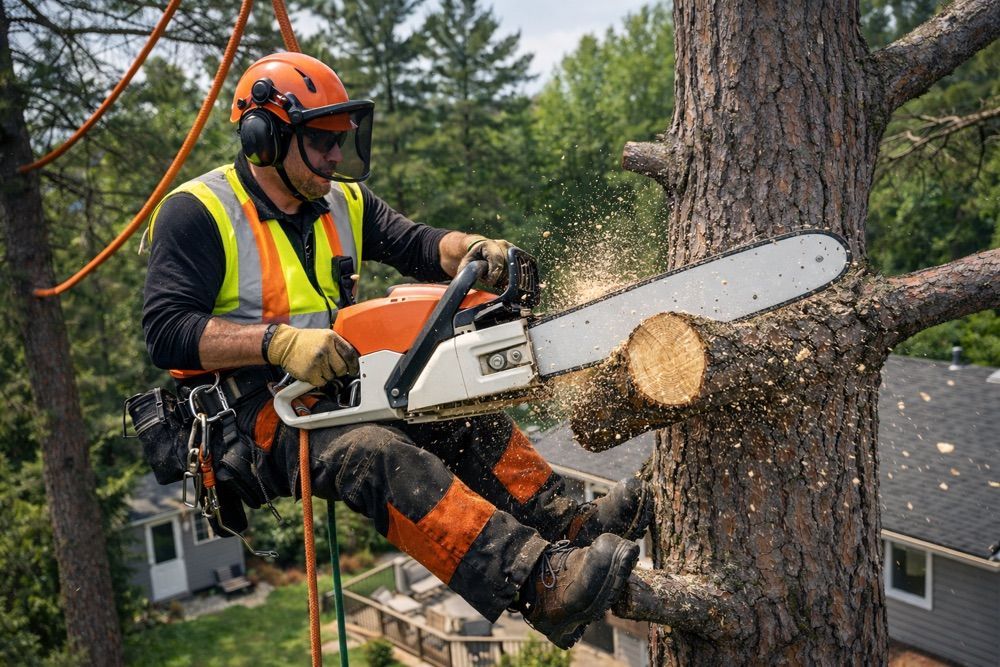
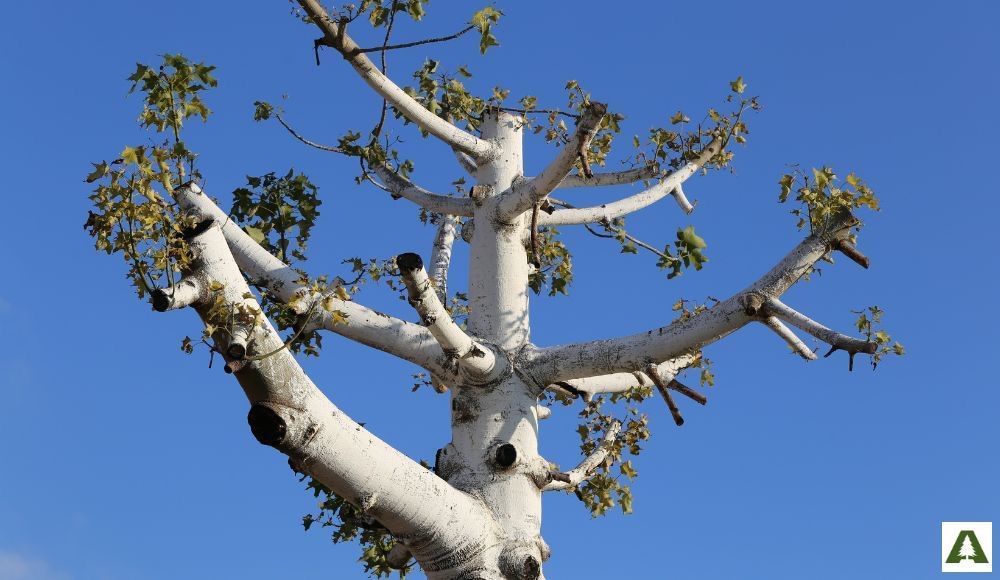
For most tree removal jobs, winter is the best time of year, as it offers practical benefits that make the process easier. Arborists can clearly see the safest way to remove a tree and identify potential hazards, such as weak branches or structural problems, when no leaves are blocking their view. This better visibility makes work safer and more productive.
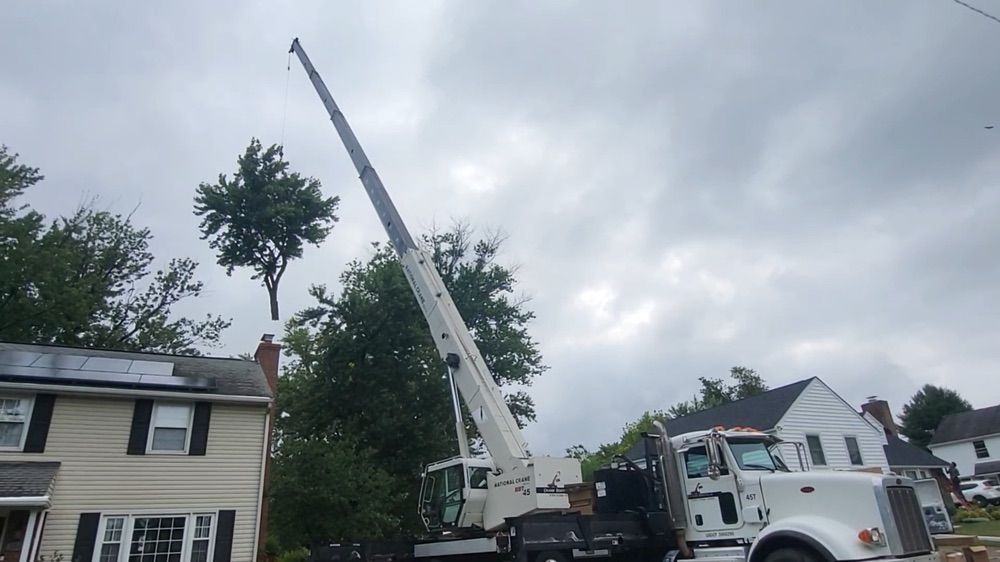
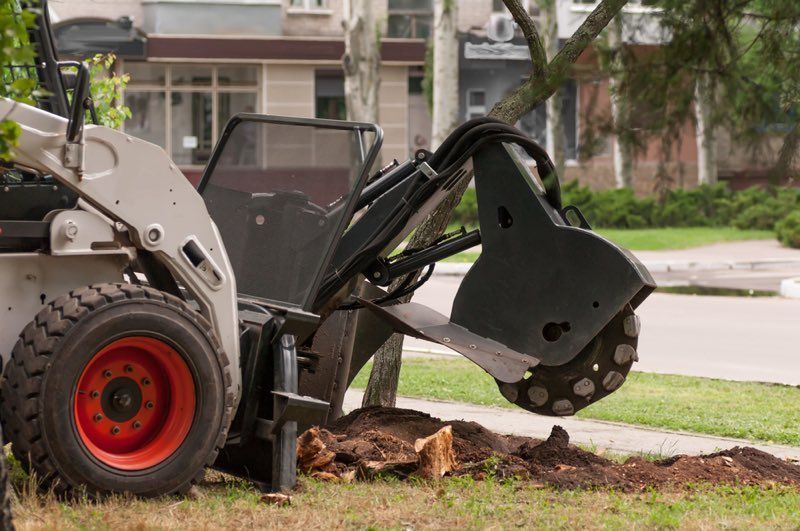
Also, frozen ground provides a stable work surface for heavy machinery, reducing the risk of lawn damage and soil compaction that often occurs when it rains. The bare branches also make cleanup easier. In winter, equipment can usually cross areas that would be too soft or fragile in other seasons, making removals that seem difficult much easier.
Dormant Trees Reduce Landscape Stress
Cutting down trees in winter, when they are dormant, puts less stress on the surrounding plants and trees and helps them heal faster. When trees are dormant, they aren't growing or taking nutrients from the soil. Taking them down this time of year doesn't shock the shared root ecosystem nearly as much. Nearby trees and shrubs are also dormant, making them more resistant to any accidental root disturbance or minor damage that might happen during the removal process.
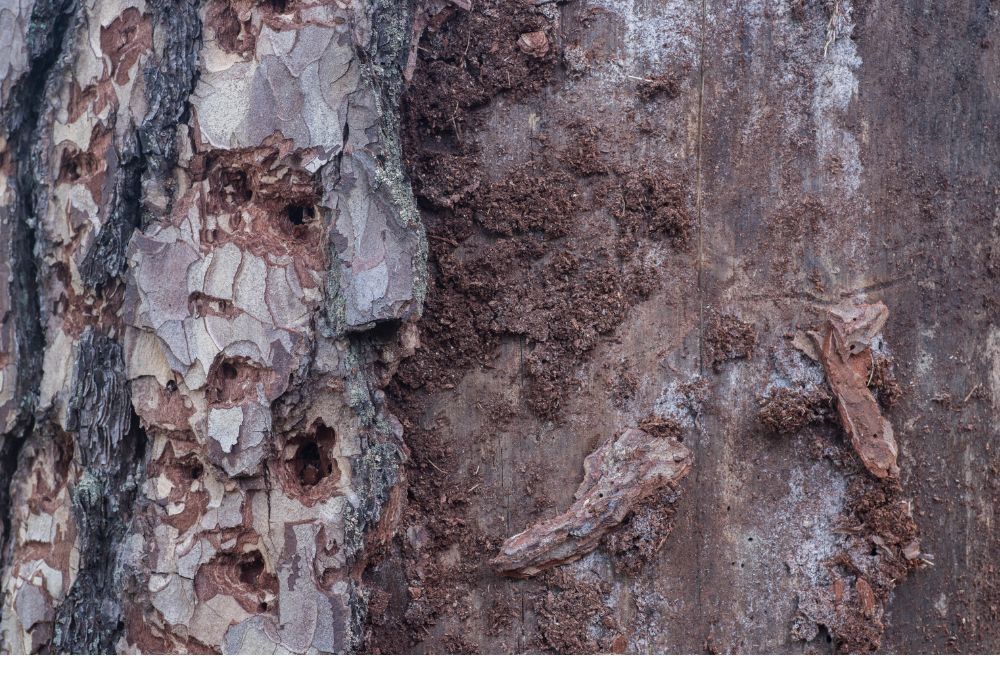
This dormancy window also prevents the spread of certain tree diseases and pests that are active during warmer months. Insects like emerald ash borers and fungal diseases like oak wilt pathogens are less likely to transfer to healthy trees when temperatures drop. By timing removal during winter, you're giving your landscape the best possible conditions for adapting to the change before the demanding spring growing season begins.
Off-Peak Scheduling Can Save Money
Removing trees during off-peak months can save money, which makes winter projects even more appealing. During the colder months, tree service companies usually have less work, allowing them to offer lower prices and more flexible scheduling. Many tree care companies offer discounts during the off-season to keep their crews busy year-round.
In addition to the direct costs of service, removing trees in the winter can save you money on other seasons' costs, like landscape restoration costs when equipment operates on soft spring ground or emergency pricing during storm season. You will also be able to get the date you want more easily because you won't have to compete with peak-season demand.
Even though winter weather can sometimes cause short scheduling delays, the overall cost savings and convenience of booking during off-peak times usually make up for these minor inconveniences and create the best time for non-emergency tree removal projects.
Arbor Max Tree Service Offers Year-Round Quality Tree Removal
If you decide it's time to have a tree removed on your property, don't do it yourself. Arbor Max Tree Service specializes in safely removing even the largest trees, and we use low-impact techniques that minimize the risk to your property.
Give us a call today at 484-878-8947 or click for a free tree removal quote.